It happens more often than you might think. A tenant stops paying rent, goes quiet, and eventually disappears — leaving behind a unit full of furniture, clothing, personal belongings, and sometimes much worse. For landlords and property managers across the GTA, it’s a frustrating — and legally delicate — situation.
The good news: Ontario law provides a clear process for handling it. The challenge: you need to follow it carefully, or you could find yourself liable. Here’s what you need to know.
Is It Actually Abandoned?
Under Ontario’s Residential Tenancies Act, 2006 (RTA), a rental unit can only be considered abandoned if the tenant is in arrears of rent. If a tenant has paid up to date but simply moved out without notice, the unit cannot legally be treated as abandoned — even if it’s clearly vacant.
Signs that may support a finding of abandonment include:
- Rent is overdue and the tenant is unreachable
- The tenant’s personal belongings have been removed
- Mail is piling up
- Utilities have been disconnected
- Keys have been returned, or the tenant has been seen moving out
Important: Do not assume. Document everything. The date you reasonably believe the unit was abandoned, what you observed, and any attempts to reach the tenant should all be recorded in writing.
What Are Your Legal Obligations?
Once you have reasonable grounds to believe a tenancy has been abandoned, you have two options under the RTA:
Option 1: Apply to the Landlord and Tenant Board (LTB)
Under Section 79 of the RTA, you can apply for an order terminating the tenancy due to abandonment. This provides legal clarity and protects you from future claims by the tenant.
Option 2: Treat the unit as abandoned without an LTB order
The RTA does not require a formal order before treating the unit as abandoned — but it does require you to follow specific rules about the belongings left behind.
Either way, you cannot immediately dispose of a tenant’s property. Acting without following the proper process can expose you to legal claims from the tenant, regardless of the circumstances.
What Happens to the Belongings Left Behind?
This is where many landlords run into trouble. The RTA outlines specific rules that vary depending on how the tenancy ended. Here is the general framework for abandoned units:
- Unsafe or unhygienic items (e.g., rotting food, biohazard materials) may be disposed of immediately
- All other personal belongings must be stored safely for a period that allows the tenant to reclaim them — generally up to 30 days
- Within that 30-day window, the tenant may claim their belongings, but must pay any arrears of rent plus reasonable costs of moving, storing, and securing the property
- After 30 days, the landlord may dispose of the remaining items
- If the property is sold, the tenant has 6 months from the date of the order (or from the date the landlord gave notice of intent to dispose) to claim the proceeds of the sale
Note: The RTA contains five different sets of rules depending on how and why the tenant left. We strongly recommend reviewing the LTB’s official brochure, “Property Left Behind When a Tenant Moves Out,” or consulting a paralegal familiar with landlord-tenant law.
The Hidden Cost No One Talks About
Following the legal process is one thing. Dealing with what’s actually left behind is another.
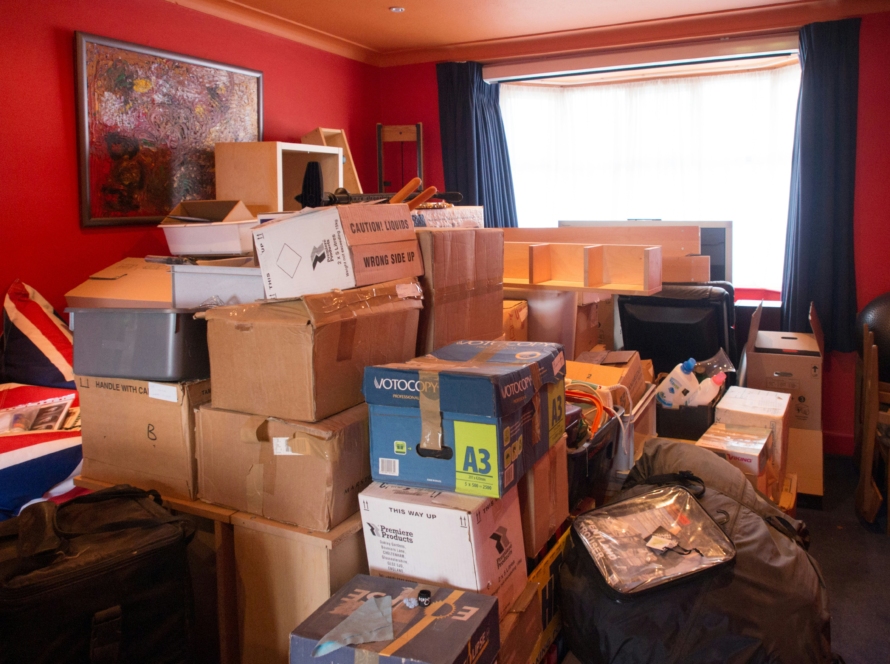
After a tenant abandonment — especially in cases of long-term occupancy, hoarding, or neglect — the contents of a unit can be extensive. We’re talking furniture, clothing, appliances, garbage, and sometimes significant property damage underneath it all. The volume of work required to clear, sort, store, and dispose of these items is far beyond what most landlords want to take on themselves.
And the clock is ticking. Every day the unit sits empty is lost revenue.
How Estate Clearout Pros Can Help
We work with landlords and property managers across the GTA who are dealing with exactly this situation. Once you’ve confirmed the legal abandonment and your obligations under the RTA, we step in to handle the physical clearout — efficiently, professionally, and with the documentation and care the situation requires.
Here’s what our process looks like:
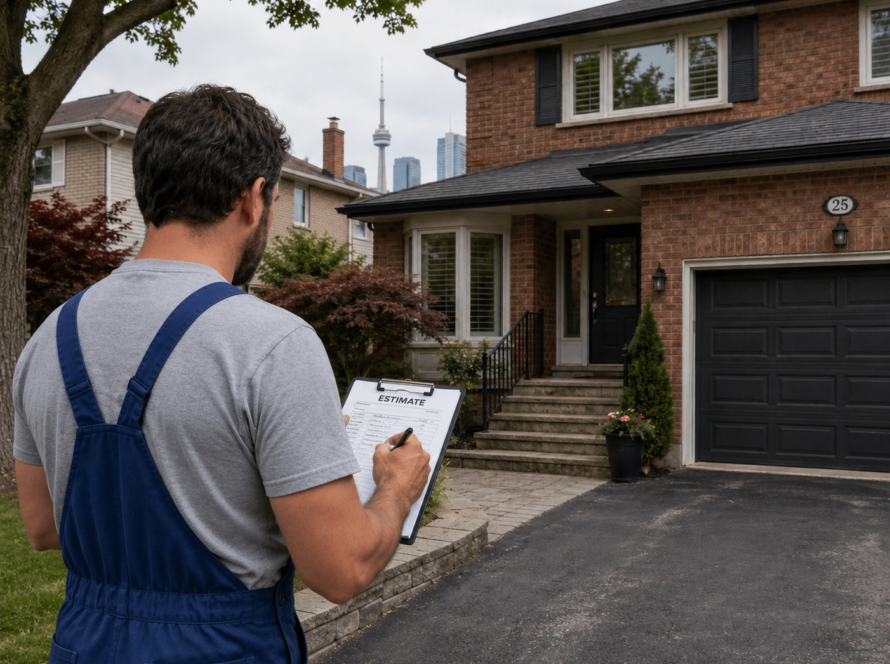
Assess — We visit the property, evaluate the scope of the clearout, and provide a clear, written quote. No surprises.
Assemble — We put together the right team and equipment for the job, whether it’s a single unit or a multi-room property.
Activate — Our team completes the clearout on your timeline, sorting items for disposal, donation, or recycling, and leaving the unit ready for cleaning, repairs, and re-rental.
We understand this isn’t a simple junk pickup. It requires discretion, professionalism, and a process — and that’s exactly what we bring.
Getting Your Unit Back on the Market, Fast
In the GTA’s competitive rental market, a vacant unit is a costly one. Our goal is to help you turn the page as quickly as possible — with a cleared, clean property that’s ready for your next tenant.
Whether you manage one rental property or a portfolio of units, having a reliable clearout partner on call is one of the best operational decisions you can make.
READY TO PROCEED?
Reach out today for a free, no-obligation estimate. We’re happy to answer any questions you may have.